


Where Ideas Get Real


A bag begins as a spark... Sometimes it is a sketch on a notebook page. Sometimes it is a photo saved on a phone, a vintage piece discovered in a market, or a concept that has been sitting in your mind for years. Inspiration is easy to collect. Turning it into something a factory can actually build is where things become real.
This is the moment where most designers pause. The vision is clear in their head, yet translating that vision into precise information feels overwhelming. Measurements. Materials. Hardware. Construction methods. Small decisions that quietly determine whether an idea becomes a product or stays a concept.

That transition from inspiration to structure is exactly where a Tech Pack Consult comes in. At Clutch Made, the consult is not just a conversation. It is the beginning of organizing your idea into something that can move toward production. During this 30 minute call we look closely at your design and start shaping the technical direction behind it.
Design questions are often layered. A strap might seem simple until you consider weight distribution, hardware size, and how the adjustment will function. A pocket placement might look good on paper but interfere with construction once the bag is assembled. These are the kinds of details that matter early.
During the consult we review your concept together. Sketches, inspiration images, early specs, or simply a clear description of the bag you want to create. We walk through the structure of the design and begin identifying the components that will define it.
Materials are one of the first areas we explore. Leather, textiles, lining options, reinforcements. Each material choice influences durability, cost, and how the bag will be constructed. Hardware decisions follow closely behind. Zippers, buckles, rings, snaps, and logo hardware each play both a functional and aesthetic role.
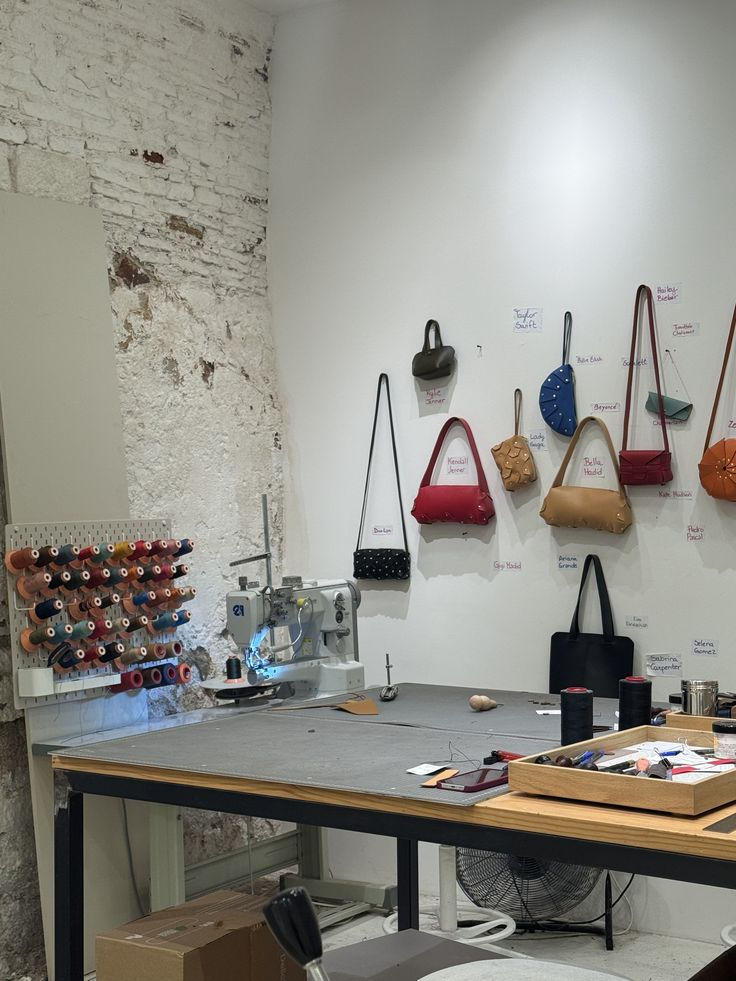
Another important part of the conversation is understanding what should be custom and what can be sourced. Many components already exist in the market through trusted suppliers. These off the shelf options can streamline production and reduce development time. Other details, like signature hardware or specialized shapes, may benefit from custom development.
Knowing the difference is often the key to balancing design vision with budget and manufacturing realities. Bag construction is another topic that often surprises designers. Seams, turning methods, reinforcement layers, edge finishing, and internal structures all affect how the bag is built and how it performs. A design that looks simple on the outside can require complex internal engineering.
During the consult we break these elements down in a way that feels approachable. The goal is not to overwhelm you with technical language but to clarify the path forward.
Just as important as design is manufacturing context. Our work is closely connected to production in the United States, particularly within New York’s Garment District. That experience shapes how we guide design decisions. Certain techniques are more efficient locally. Some materials are easier to source. Some constructions are better suited for smaller production runs.

Keeping these realities in mind early helps avoid costly revisions later.
By the end of the consult something important has shifted. The idea that once existed only as inspiration now has direction. Design questions start turning into decisions. Details begin forming the foundation of a tech pack.
And a tech pack is where factories can finally enter the conversation!
The consult is not about having every answer immediately. It is about creating clarity. Once a design has structure behind it, the next steps become easier to plan, whether that means developing a full tech pack, refining materials, or preparing for sampling.
Ideas are powerful. Structure is what allows them to move... That is where the work really begins!


