


Why Chrome-Free Leather Is Changing Handbags!


Sustainability in handbags is no longer an added value it’s a defining factor in how modern accessories are designed, produced and perceived.
As materials sit at the core of every bag, the choice of leather and lining directly impacts not just aesthetics and performance, but environmental responsibility. Among these, chrome-free leather has emerged as a key material in reshaping how handbags are made.
Why Chrome-Free Leather Works for Handbags
Handbags are handled daily, exposed to varying conditions, and expected to age well. Traditional chrome tanning, while efficient, raises concerns around chemical use and waste. Chrome-free leather offers a cleaner alternative by eliminating chromium salts and instead using vegetable or synthetic tanning agents that are less harmful.
For handbags, this translates into a material that:
Develops a natural patina, adding character over time
Maintains structural integrity for both soft and structured silhouettes
Aligns with brands focused on responsible sourcing and production
The finish may feel more organic and less uniform compared to heavily processed leather but that’s exactly where its appeal lies in premium, design-led accessories.
Types of Sustainable Leather for Handbags
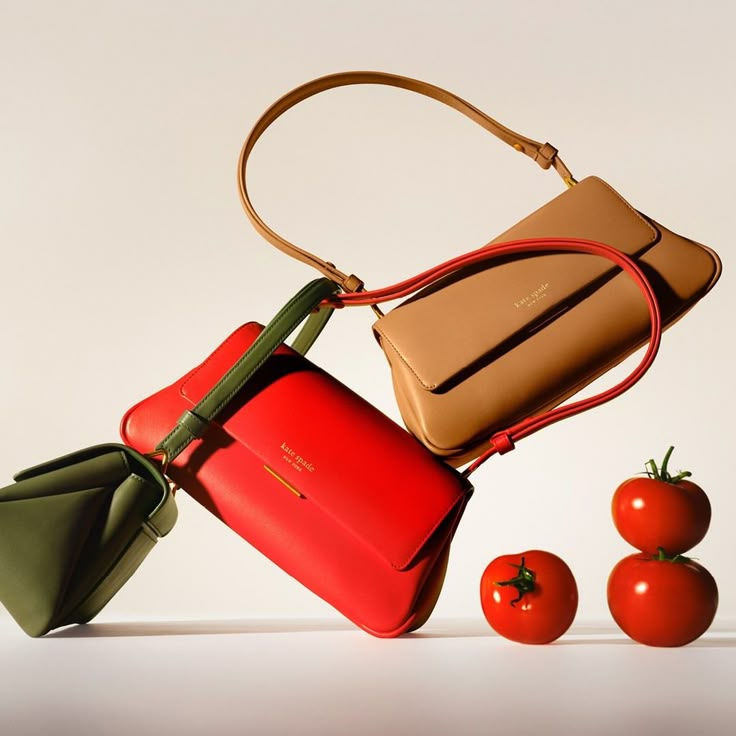
Vegetable-Tanned Leather- Ideal for structured handbags, this leather offers firmness and durability. It responds beautifully to wear, making it a strong choice for totes, crossbodies and top-handle bags that benefit from shape retention.
Chrome-Free Soft Leather- Better suited for slouchy silhouettes like hobo bags or soft clutches. It provides flexibility while still maintaining durability, allowing designers to experiment with drape and movement.
Recycled Leather- Used often in panels, trims, or internal reinforcements, recycled leather helps reduce waste without compromising the overall look of the bag. It’s a strategic choice rather than a full replacement for premium leather.
The Importance of Sustainable Linings in Handbags
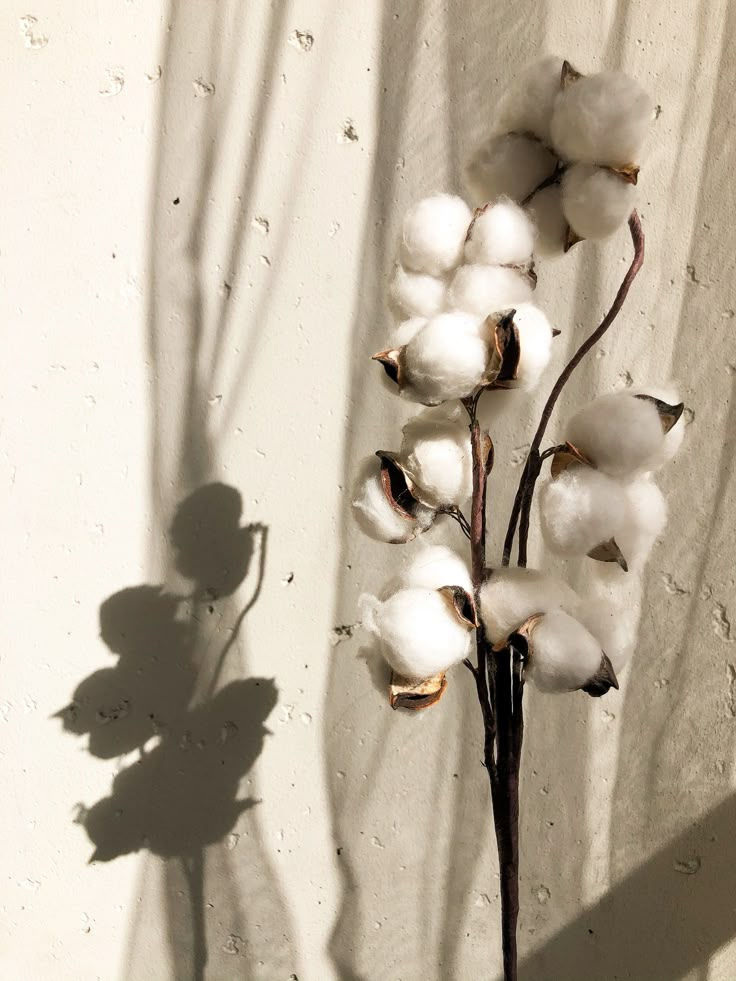
The interior of a handbag does more work than it gets credit for it holds weight, resists wear, and supports the structure of the bag. Choosing the right sustainable lining ensures longevity while reducing environmental impact.
Organic Cotton Twill- A go-to for everyday handbags. It’s breathable, durable and works well across compartments and pockets.
Recycled Polyester (rPET)- Best for bags that require added durability or water resistance, such as travel bags or utility-style handbags. It also supports circular production by repurposing plastic waste.
TENCEL™ / Lyocell Linings- Used in more premium handbags where a softer hand feel is important. These linings elevate the interior experience while maintaining sustainability credentials.
Designing Handbags with Material Intent
Sustainability in handbags goes beyond material selection it’s about how those materials are used. Efficient pattern cutting reduces leather waste, while thoughtful paneling ensures maximum yield from each hide. Reinforcements, interlinings, and edge finishes all play a role in extending the life of the product.
Custom-developed hardware and trims also contribute to this process. When designed alongside the bag, they ensure consistency in durability and finish, rather than relying on generic components that may not meet long-term performance standards.
Built to Last: The Shift in Handbag Design
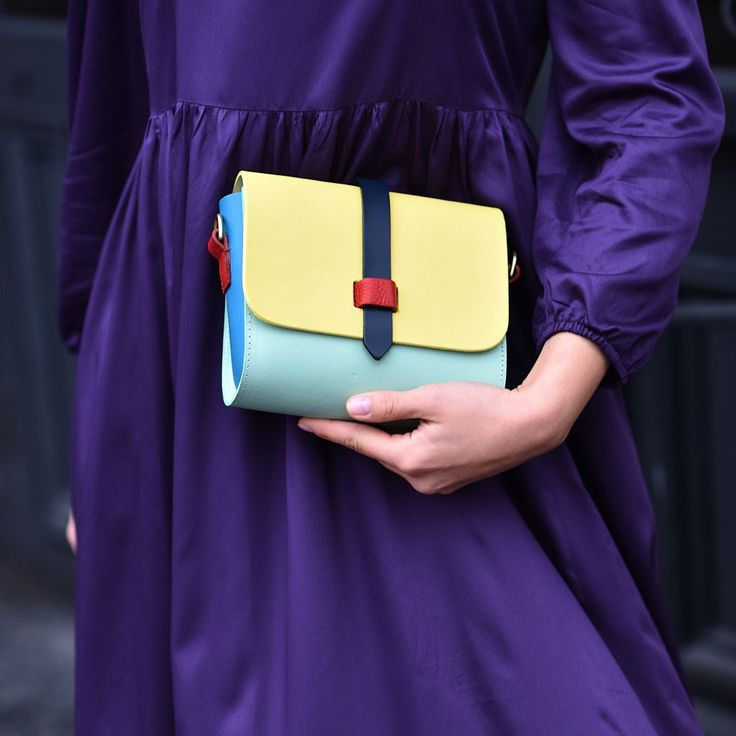
A well-made handbag should last for years, not seasons. Chrome-free leather, paired with durable linings and strong construction, supports this shift toward longevity. Instead of disposable fashion, the focus moves to investment pieces bags that evolve with use and maintain their value over time.
This approach not only reduces waste but also strengthens the relationship between the product and the user.
Moving Forward
The future of sustainable handbags lies in intentional material choices and responsible production methods. Chrome-free leather and eco-conscious linings are not just alternatives they are becoming the new standard for brands that prioritize both design and impact.
As the industry evolves, handbags are no longer just about style. They represent a balance of craftsmanship, functionality and environmental awareness designed to be carried with purpose.


